Crypto’s Wildest Rug Pulls
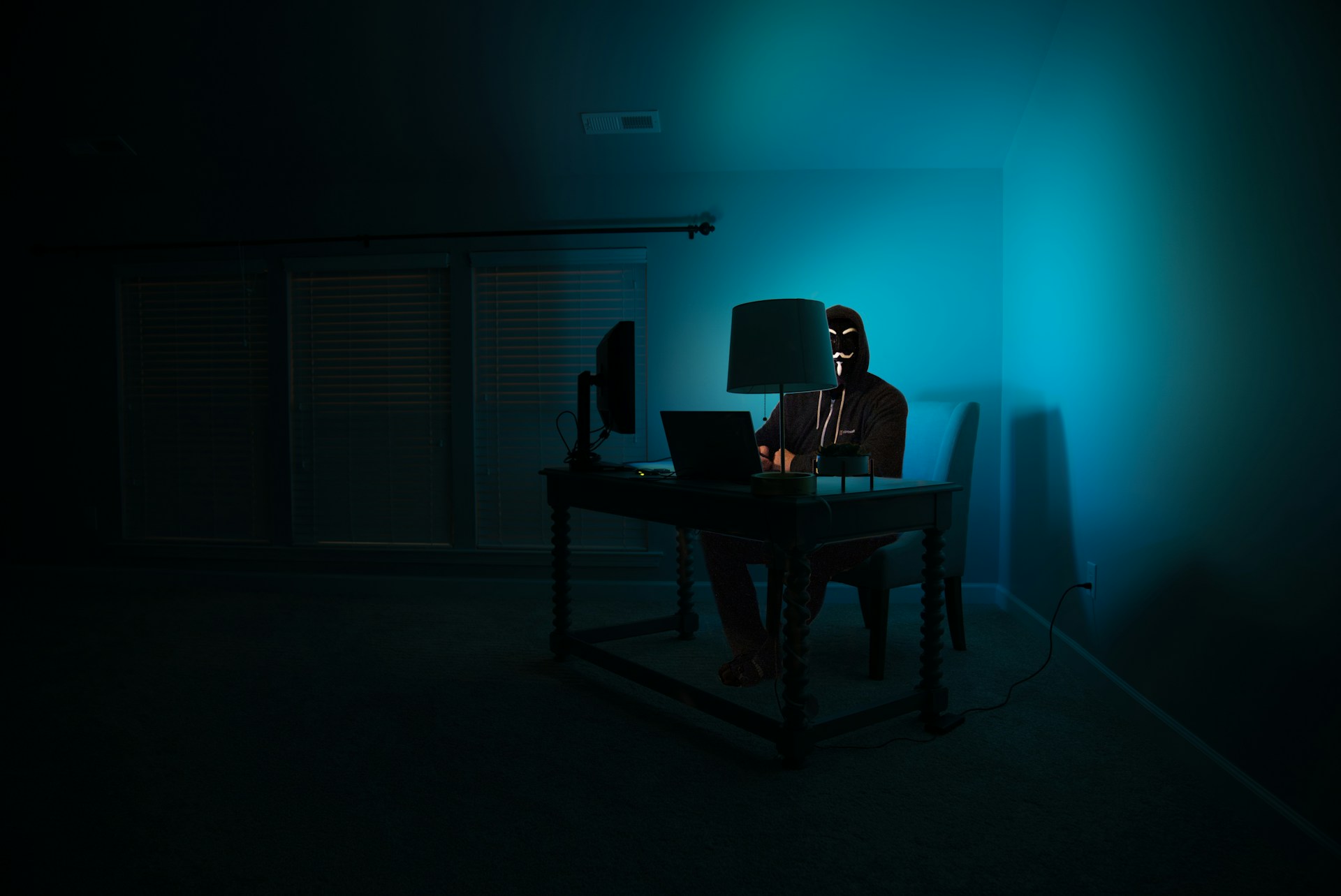
In the world of cryptocurrency, a “rug pull” happens when project developers suddenly abandon a project and run away with investors’ money. The term comes from the phrase “pulling the rug out from under someone.” These scams have cost crypto investors billions of dollars over the years, but some stand out for their audacity, scale, or sheer creativity. Let’s explore some of cryptocurrency’s most notorious rug pulls and what we can learn from them.
BitConnect: The $2.4 Billion Pyramid Scheme
BitConnect was once one of the 20 most valuable cryptocurrencies in the world. Launched in 2016, it promised investors incredible returns of 1% daily interest (that’s 3,700% annually) through a “trading bot” and “volatility software algorithm.”
The reality was much simpler: BitConnect was a pyramid scheme. Early investors were paid with money from new investors, creating the illusion of legitimate returns. The company held extravagant events, including a notorious presentation by Carlos Matos, whose enthusiastic “Hey hey heeey… BITCONNEEEEECT!” became an internet meme that still circulates today.
Despite warnings from figures like Ethereum founder Vitalik Buterin, who openly called BitConnect a Ponzi scheme, thousands of people invested.
The house of cards collapsed in January 2018 when regulators in Texas and North Carolina issued cease and desist orders. BitConnect shut down its lending platform and exchange, causing its token price to drop from nearly $400 to less than $1 in just a few days. Over $2.4 billion of investor money vanished.
Several BitConnect promoters were eventually caught. In November 2021, the founder of BitConnect, Satish Kumbhani, was charged with orchestrating a $2.4 billion fraud. However, he disappeared and may have fled to India. The U.S. Securities and Exchange Commission is still looking for him.
OneCoin: The $4 Billion Scam That Never Had a Blockchain
OneCoin might be the largest cryptocurrency scam ever, with estimates suggesting it took in over $4 billion from people in over 175 countries. What makes OneCoin unique among crypto scams is that, despite all the marketing, it never actually had a blockchain.
Led by the charismatic Dr. Ruja Ignatova, who called herself the “Cryptoqueen,” OneCoin claimed to be a Bitcoin killer. The company operated from 2014 to 2017 through a multi-level marketing structure, encouraging investors to sell OneCoin packages to friends and family.
The scheme began to unravel when financial authorities in multiple countries issued warnings. In October 2017, Dr. Ruja disappeared. She was last seen boarding a flight from Sofia, Bulgaria to Athens, Greece, and hasn’t been seen since. In June 2022, the FBI added her to its list of Ten Most Wanted Fugitives.
OneCoin never had a public blockchain, never traded on any crypto exchange, and investors never had a way to access or spend their coins. It was, in essence, a database on a server controlled by the company, not a real cryptocurrency.
While several OneCoin associates have been arrested and charged, including Ruja’s brother Konstantin Ignatov, the Cryptoqueen herself remains at large with much of the stolen money.
PlusToken: Asia’s $6 Billion Mega-Scam
PlusToken was a crypto wallet and exchange service that targeted investors in Asia, particularly in China, South Korea, and Japan. Launched in 2018, it claimed to generate monthly returns of 10-30% using exchange profits, mining, and referral bonuses.
At its peak, PlusToken had over 3 million registered users. The platform allowed people to convert regular money into various cryptocurrencies, with the promise of high returns. Like many scams, it had a multi-level marketing component to encourage rapid growth.
In June 2019, users began reporting problems withdrawing funds. Soon after, the PlusToken team disappeared with approximately $6 billion in cryptocurrency. Six individuals connected to PlusToken were arrested in Vanuatu, a small island nation in the South Pacific, and later extradited to China.
What made PlusToken particularly interesting to researchers was tracking how the scammers attempted to launder the stolen funds. Blockchain analysts observed them slowly moving and selling bitcoin, contributing to market downturns in late 2019. In November 2020, Chinese authorities seized $4.2 billion worth of cryptocurrency connected to the PlusToken scheme.
Save The Kids: The Influencer Rug Pull
Not all rug pulls involve billions of dollars or years of planning. Sometimes they happen quickly, involve famous people, and still cause significant harm.
In June 2021, several popular social media influencers, including members of the FaZe Clan (a professional esports organization), promoted a cryptocurrency called “Save The Kids” ($KIDS). The token claimed it would donate a portion of transaction fees to charity to help children.
Shortly after launch, some of these influencers sold their tokens, causing the price to crash by over 60%. Many investors lost significant amounts of money, and the charity component appeared to be little more than a marketing tactic.
The fallout was swift. FaZe Clan suspended three members and removed another. The incident highlighted the dangers of celebrity crypto promotions and raised questions about influencer responsibility.
Protecting Yourself From Rug Pulls
Rug pulls continue to plague cryptocurrency, but there are warning signs to watch for:
Promises of guaranteed high returns are a red flag. No legitimate investment can guarantee specific returns, especially not abnormally high ones.
When projects emphasize recruiting new investors over developing the actual product, be cautious. Real projects focus on building technology, not just growing their investor base.
Research the development team. Anonymous teams are riskier than those with public identities and verifiable backgrounds.
Check if the project’s code is open source and has been audited by reputable security firms. Legitimate projects typically have publicly visible code.
Be wary of artificial urgency. Scams often pressure you to invest quickly before a “limited opportunity” ends.
The crypto world is still young and developing proper regulations. Until stronger protections are in place, the best defense is knowledge and skepticism. Remember the old saying that still holds true in crypto: if something sounds too good to be true, it probably is.
Trade with a platform you can verify, not a promise you can’t: Kurdcoin has served Iraq and the Kurdistan Region since 2017, letting you buy bitcoin or buy and sell USDT directly. Learn more about us, or check our FAQ if you have questions. Disclaimer: This article is for informational and educational purposes only and does not constitute financial advice; see our Terms and Conditions for more details.