The Fake App That Looked Too Real
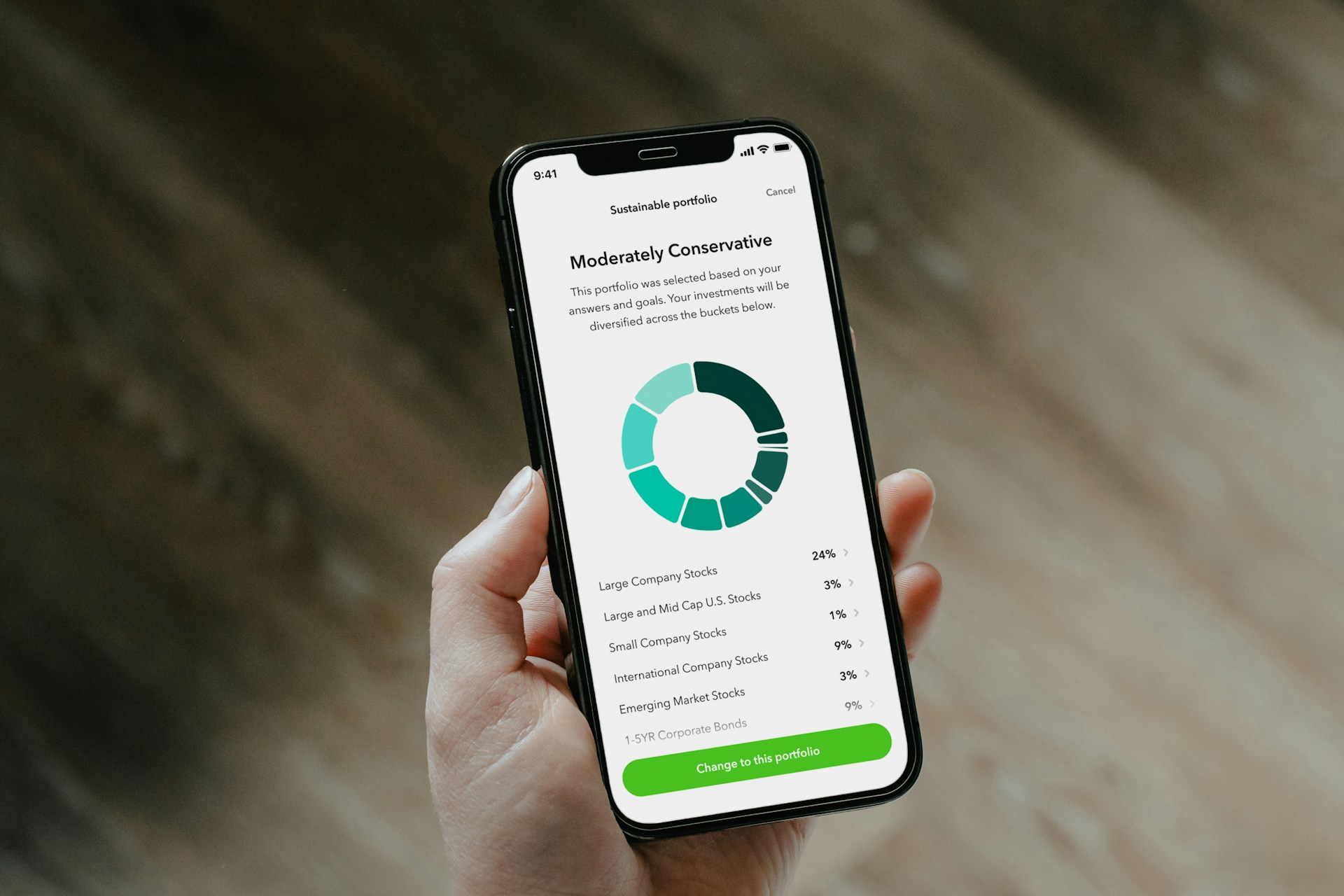
How a polished scam app imitating a trusted brand emptied a wallet in seconds.
When Rana downloaded a mobile wallet app to store her USDT and Solana, she believed she was being cautious. She’d heard horror stories about keeping crypto on exchanges, so she made a move toward self-custody. The app she chose was highly rated, well-designed, and had all the right branding — it even claimed to be “powered by Trust Wallet.”
But Rana didn’t download it from Trust Wallet’s official site or app store listing. She searched “Trust Wallet APK” on Google and clicked the first link. It led to a beautiful page — same colors, same logo, even fake reviews and a privacy policy page that looked legitimate. Without thinking twice, she downloaded the file and installed it.
Everything seemed normal. She created a wallet, wrote down her seed phrase, and sent over $2,300 worth of crypto. She only discovered something was wrong when she reopened the app the next day — her balance was zero.
The app wasn’t just fake — it had been programmed to transmit her private keys the moment they were generated. Her “wallet” was a front. The interface was real, but the backend was quietly betraying her.
By the time Rana realized what had happened, her funds had already been swapped and bridged multiple times. There was nothing to trace, and no customer support to turn to.
“I thought I was being safe by using a wallet,” she told a local crypto meetup weeks later. “But I never thought the wallet itself could be fake.”
Fake wallet apps are one of the fastest-growing vectors for crypto theft. Unlike typical phishing attacks, these apps function normally at first, sometimes even mimicking real blockchain activity or fetching token prices to maintain the illusion.
In regions like Iraq, where access to official app stores can be limited or interrupted by poor connectivity, many users rely on direct APK downloads — a dangerous shortcut.
This is why platforms like Kurdcoin continue to advocate for app verification practices, even beyond their own services. The entire crypto ecosystem suffers when bad actors exploit brand trust.
The Breakdown:
– The Trap: A fake wallet app downloaded via a third-party site.
– The Trigger: Automatically harvesting private keys during setup.
– The Result: Total loss of all funds within hours of sending them.
The Moral of the Story:
Just because it looks like the real thing doesn’t mean it is. Only download wallets and apps directly from verified sources — never through third-party websites or random links. In crypto, the first step — the software you trust — is often the most dangerous one to get wrong.
Always verify wallet and app sources before downloading. Learn safe setup practices in our guide to Setting Up Your Crypto Wallet and Protecting Your Digital Assets. When you are ready to trade, do it with a platform you can trust: Kurdcoin lets you buy bitcoin or buy and sell USDT safely. Learn more about us, or check our FAQ if you have questions. Disclaimer: This article is for informational and educational purposes only and does not constitute financial advice; see our Terms and Conditions for more details.