Why ‘HODL Forever’ Isn’t That Simple

The story of a long-term holder who misunderstood the message—and paid the price.
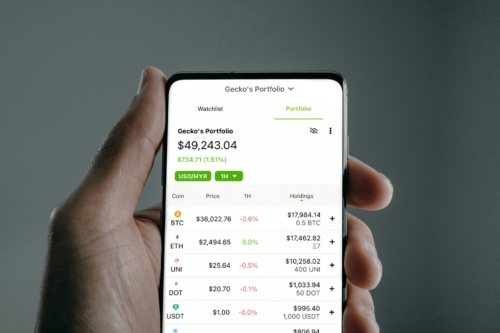
Lina was never into hype. She didn’t chase meme coins or listen to TikTok traders. Instead, she took pride in her strategy: buy solid projects, and HODL.
Her brother, a software engineer, had introduced her to Bitcoin and Ethereum in 2020. She read a few articles, watched some podcasts, and followed the golden rule she kept seeing: “Time in the market beats timing the market.”
So she bought $6,000 worth of BTC and ETH over the course of a year. Every dip made her more committed. “I’m not selling,” she’d say confidently. “Crypto is the future. It’ll all come back.”
By early 2021, her portfolio had ballooned to over $15,000. She didn’t touch it. By mid-2022, it had shrunk back to $5,000. She still didn’t touch it. She added another $1,000.
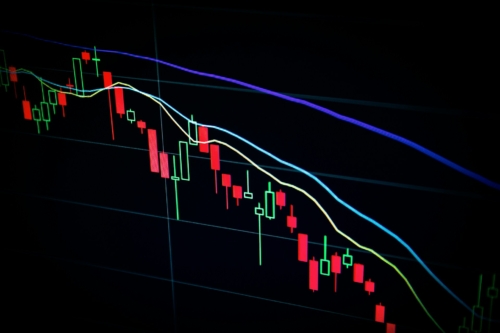
Then came the crash of late 2022. She watched helplessly as her portfolio dropped to under $2,400.
“I thought I was doing the responsible thing by holding,” she later said. “But I never asked when or why to sell. I thought HODLing meant never selling.”
The problem wasn’t that Lina held long-term—it was that she never had an exit strategy. She misunderstood “HODL” as dogma rather than a framework. She never considered risk, market cycles, or personal goals.
In forums and crypto circles, slogans like HODL, “diamond hands,” and “never sell” have become cultural badges. But taken too literally, they stop people from adapting to reality.
HODLing works when paired with periodic rebalancing, clear profit targets, and a willingness to reassess. Without that, it can become passivity disguised as strategy.
Today, Lina still believes in crypto. But she tracks her portfolio differently, sets sell targets, and knows that long-term belief doesn’t mean blind loyalty.
The Breakdown:
– The Trap: Blindly following the HODL mantra without context.
– The Trigger: Ignoring major price signals and market reversals.
– The Result: Watching gains disappear and failing to meet personal financial goals.
The Moral of the Story:
HODLing isn’t a religion. It’s a tool. And like any tool, it only works if you know when—and how—to use it. Belief is good, but strategy is better. Don’t just hold the line. Know where it leads.
Want a more balanced approach to holding and trading? See our Understanding Crypto Market Cycles and Crypto Trading Strategies for Beginners guides. When you’re ready to act, Kurdcoin lets you buy bitcoin or buy and sell USDT directly. Learn more about us, or check our FAQ if you have questions. Disclaimer: This article is for informational and educational purposes only and does not constitute financial advice; see our Terms and Conditions for more details.